
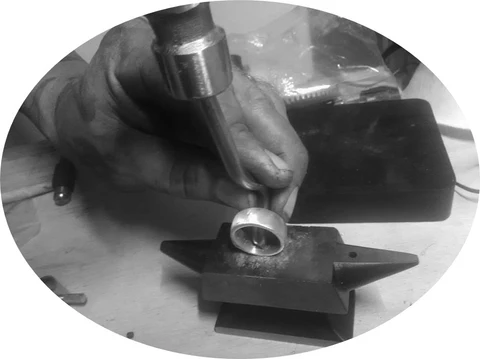
The hallmark of a jewel or an object in precious metal (gold, silver or platinum) is the official guarantee of the fineness (its degree of purity) of the metal in question.
These precious metals have common characteristics: they are very resistant to oxidation, have an incomparable shine, and above all they are ductile and malleable.
Therefore it is necessary to alloy them with other metals to increase their mechanical resistance and to be able to use them in the form of jewelery or silverware.
Jeweler’s punch to mark the inside of a jewel
French legislation on hallmarking of precious metals
Silver is commonly alloyed with copper; and from gold to zinc, nickel, copper or silver. It is precisely in navigating this range of precious alloys that the distinctive signs appeared. The brand is a guarantee of the quality of the metal of the jewel or art object.
Since France loves simplicity, it is the most demanding country for jewelers when it comes to traceability of jewelry and precious metals. Without the PIP case, we might believe that all these rules are essential.
As the topic of hallmarks is vast, we will detail the case of hallmarking solid silver jewelery here and you will be directed to different sites that will allow you to explore the issue in more depth.
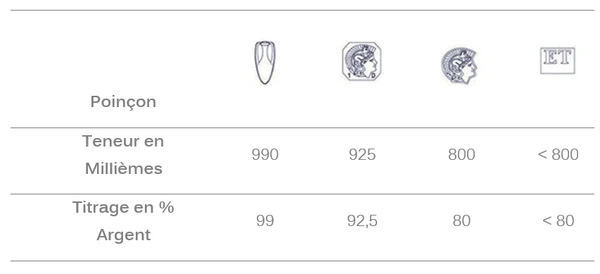
All precious metal jewelry must bear a mark indicating its fineness and the manufacturer (master’s mark) or its importer. This applies to gold or platinum jewelery weighing more than three grams and silver jewelery weighing more than 30 grams. You can consult the customs website which shows you what these hallmarks that guarantee the title for silver, gold and platinum look like.
Old or fragile jewelery may have an exemption from hallmarking and will therefore be issued with a certificate guaranteeing the piece’s title from an approved testing body (OAC).
And to find out all about the legislation governing the guarantee of precious metals, here is this customs article to get you started.
Customs should check the fineness of all gold jewelry weighing more than three grams and silver jewelry weighing more than 30 grams; a procedure has been put in place to delegate the installation of the state guarantee mark to the producers or creators. Therefore, the manufacturer or importer guarantees the quality of the products he manufactures and sells.
The procedure that explains how to obtain the delegation of the state guarantee mark can be found here.
The silver is said to be solid in France with a content of 80% silver, known as 800/1000 silver. The first grade of solid silver is 925/1000 silver, 92.5% pure and finally there is a hallmark for 999/1000 pure silver (99.9%). Our silver signet rings for men are therefore perfectCtimely dataCwe have legal «925».
However, on the customs website there is no mention of 950/1000 silver even though it is a grade commonly used for pieces of fine jewelery and silver jewelry from PeruBolivia and Chile.
Distinctive signs in Mexico
The Mexican Internet does not yet provide government sites containing legal information on trademarks. All Mexican silver jewelry is marked with the 925 hallmark indicating the fineness of the jewelry.
We find few jewels in 950/1000 silver and none in 800/1000 silver, alpaca (a poor alloy that imitates silver) is used for costume jewelery decorated with painted motifs.
Unable to control the manufacturing process, jewelers control the finished product; which would have been simple, easy and cheap to implement in the case of the PIP case mentioned above. All jewelers check their raw materials and buyers check the jewelery using the touchau method described here. This method allows you to know in a few seconds and in a very economical way the quality of the money you have in your hands.

It is possible to purchase, for around 20 euros, a silver test kit which will not allow you to know if your silver is 926/1000 rather than 925, but will allow you to distinguish the different legal nuances and above all to determine which jewels are fake.
To satisfy your curiosity, here is a historical overview of Mexican silver hallmarks.
Mexican jewels are marked with the famous 925 and may also feature the initials MX (for Mexico) or the manufacturer’s initials. Everyone does what they like. For example, the craftsman we work with, Hans Casanova, marks his creations with the brand “HANS CASANOVA 950”.

If you want to continue your research and are curious to know the history of the distinctive signs of artisan jewelers, visit this site.
latest posts published

Moonstone in jewelry

Engraving of men’s signet rings
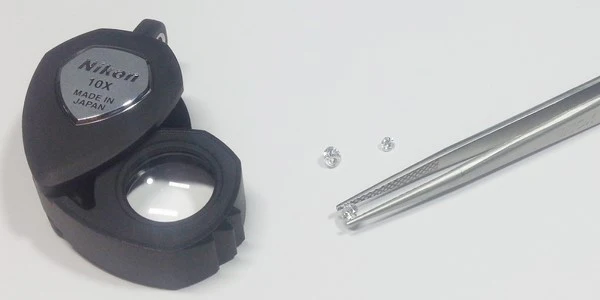
Diamond clarity: inventory of natural inclusions

Creation of a Chrisme Medal in 18K Gold

18k gold men’s necklace (handcrafted)
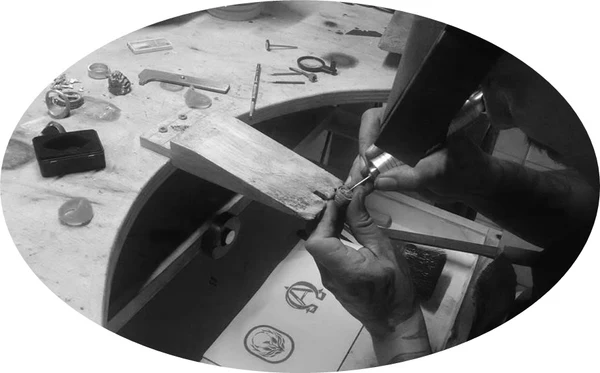
Recycle 800 silver into pure silver

Large 18k solid gold bracelet

18k gold chain pendant

the history and symbols behind the Mo signet ring
