
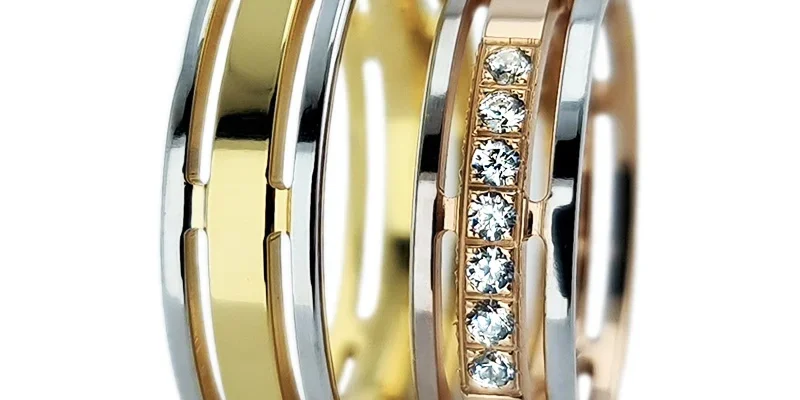
Gold is one of the most loved precious metals in the world, but did you know that it exists in many shades? Yellow, white, and rose gold are the most popular types of gold used in jewelry. Each of these variations has its own characteristics, advantages and disadvantages, which make them suitable for various preferences and occasions.
In this article we will explore the differences between yellow, white and rose gold to help you make the right choice when looking for the perfect piece of jewellery.
content
1. What is yellow, white and rose gold?
2. Differences between yellow, white and rose gold
3. The advantages of each type of gold
4. Disadvantages of each type of gold
5. How to choose the right type of gold?
1. What is yellow, white and rose gold?
Pure gold (24 karat) has a deep yellow color and is very soft to use alone in jewelry. For this reason gold is mixed with other metals to make it more resistant and to change its color, but also its quality. These alloys determine the hue and physical properties of gold.
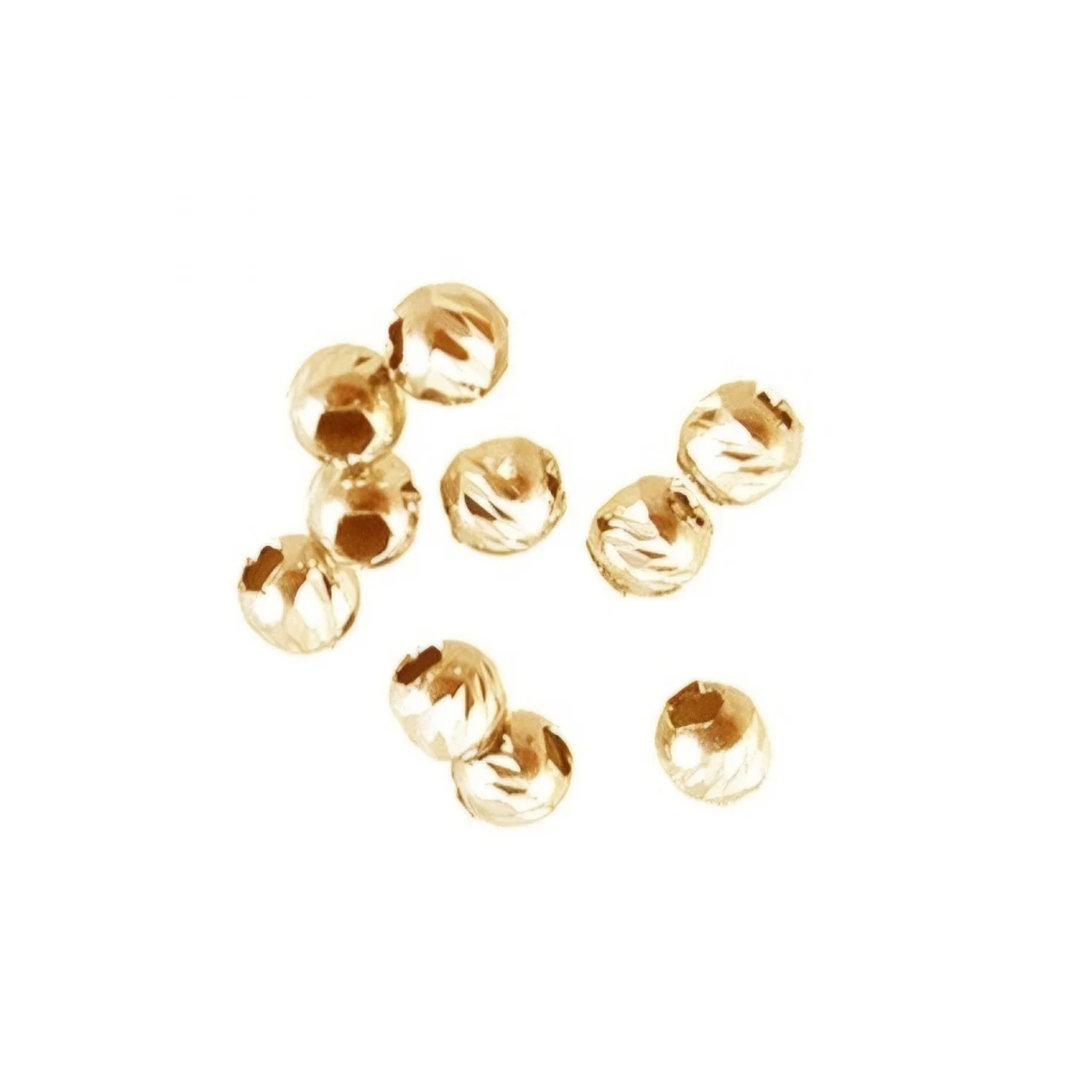
– Color: warm and classic, closer to pure gold.
– Composition: Mixture of pure gold with alloys such as copper and silver.
– Durability: Relatively soft, making it more prone to scratches.
– Durability: Requires regular maintenance to maintain shine.
– Compatibility: Ideal for warm-toned skin; compliment the colorful gemstones.
It is closest to pure gold, but usually contains alloys such as copper and silver. This preserves the warm color and shine of natural gold.
– Color: shiny silver, sophisticated and modern.
– Composition: Pure gold mixed with white metals, such as nickel, palladium or silver; often rhodium plated for shine and protection.
– Durability: More durable than yellow gold due to its alloys.
– Durability: requires reapplication of the rhodium layer at regular intervals.
– Compatibility: goes well with colorless or cold-toned stones and is ideal for cold complexions.
It is created by combining gold with white metals such as nickel, palladium or silver. This combination results in a light, platinum-like shade.
– Color: warm, romantic, with unique pink shades.
– Composition: Pure gold mixed with copper, sometimes with a small percentage of silver.
– Durability: More durable than yellow gold due to the high copper content.
– Durability: May develop a light patina over time, but can be cleaned.
– Compatibility: Suits a wide range of skin tones and adds a distinctive look to any jewelry.
Rose gold has a warm color, achieved by adding copper to the alloy. The more copper is added, the pinker the shade becomes.
2. Differences between yellow, white and rose gold
Each type of gold has distinct characteristics that set it apart. Let’s analyze these differences from different points of view:
a) Color and appearance
Yellow gold: has a warm and classic color and is associated with timeless elegance. It is the brightest and closest to pure gold.
White gold: It has a modern, sophisticated and brilliant appearance. It is suitable for those who prefer a softer shade.
Rose gold: it is delicate, romantic and unique, it has a warm color with reddish shades.
b) Durability
Yellow gold: It is softer than white or rose gold because it has a higher pure gold content. Requires more careful maintenance.
White gold: It is the most durable of the three, thanks to the strong alloys and rhodium coating that gives it an intense shine.
Rose gold: It is more durable than yellow gold due to its high copper content, but can be more prone to tarnishing.
c) Matching skin tones
Yellow gold: matches warm, olive skin tones.
White gold: it is ideal for cold and neutral complexions.
Rose Gold: It is versatile, being suitable for almost all skin tones thanks to its balanced shade.
d) Price
Yellow Gold: The price depends on the karat and proportion of pure gold.
White Gold: Can be more expensive due to the rhodium coating that must be applied periodically to keep it shiny.
Rose gold: This is usually cheaper because copper is cheaper than other metals used in alloys.
e) The influence of trends
Yellow gold: is associated with traditional jewelry and remains a constant choice in cultures where gold is a symbol of wealth.
White gold: It has become more popular in recent decades due to its minimalist appearance, making it a common choice for modern engagement rings.
Rose gold: It is often chosen for unique designs, especially among young people who are looking for something different.
3. The advantages of each type of gold
- Advantages of yellow gold:
It is closest to pure gold and has a classic shine.
It is less likely to cause allergic reactions because it contains softer alloys.
It is easy to repair and modify.
Modern and bright appearance.
It is very resistant and durable.
It goes well with diamonds and other precious stones, especially colorless ones.
It is considered elegant and professional, suitable for formal occasions.
Unique color and romantic look.
It is more durable than yellow gold.
It suits light to medium skin well.
It is an excellent choice for personalized jewelry and contemporary designs.
4. Disadvantages of each type of gold
- Disadvantages of yellow gold:
It is softer and susceptible to scratches.
It requires regular maintenance to maintain its shine.
It may seem old-fashioned to those who prefer a modern style.
- Disadvantages of white gold:
The rhodium layer can wear over time and must be reapplied periodically.
May cause allergic reactions in people sensitive to nickel.
Maintenance costs are higher.
- Disadvantages of rose gold:
May cause allergies due to copper.
It is not as common as yellow or white gold, which can limit the options available.
It is less used in formal jewelry.
5. How to choose the right type of gold?
a) The purpose of the jewel
For engagement rings or wedding bands, white gold is a popular choice due to its durability and compatibility with diamonds.
For romantic gifts, rose gold can add a personal and emotional touch.
Yellow gold is ideal for traditional jewelry or special cultural events.
b) Your personality and style
Think about what represents you best:
If you are attracted to classic elegance and love traditional designs, yellow gold is for you.
If you prefer a sophisticated, minimalist look, white gold may be more suitable.
If you are a creative person and like to break the mold, rose gold could be the ideal choice.
c) Compatibility with other jewels
Depending on the jewelry you already own, choosing a particular type of gold may be influenced by the desire to maintain a uniform appearance. White gold, for example, pairs well with platinum and silver, while yellow gold pairs well with other gold jewelry.
d) Durability and maintenance
Choose gold based on how much you are willing to invest in the maintenance of your jewelry. White gold requires periodic regrinding, while yellow and rose gold require less intervention.
The choice between yellow, white and rose gold largely depends on personal preferences, the desired style and the purpose of the jewelry. Yellow gold is classic and traditional, suitable for those who appreciate timeless elegance. White gold offers a modern, minimalist look, ideal for formal occasions or contemporary designs. Rose gold, with its warm and romantic shade, is perfect for those who want to add a touch of originality and uniqueness to their jewellery.
Regardless of your choice, each type of gold has its own unique charm and can add a special touch to any outfit or occasion. Before making a decision, consider practical aspects such as durability, maintenance and budget to ensure you make the perfect choice that fully represents you.
Additionally, consulting with an expert jeweler can help you identify the best option for you, considering not only aesthetics, but also the utility and long-term value of your jewelry.
latest posts published

Moonstone in jewelry

Engraving of men’s signet rings

Diamond clarity: inventory of natural inclusions

Creation of a Chrisme Medal in 18K Gold

18k gold men’s necklace (handcrafted)

Large 18k solid gold bracelet

18k gold chain pendant

the history and symbols behind the Mo signet ring

Rolex: a brand that has become essential
