

How to check silver: simple methods by which you can guarantee the authenticity of your jewelry
Photo by Jason Sung on Unsplash.com
Silver has been a widely preferred material since ancient times for its elegance and versatility. However, as the popularity of this precious metal grew, so did the number of imitations available on the market. From local markets to online stores, many pieces that appear to be made of silver may actually be made of inferior alloys or even fakes. Faced with such a challenge, a simple but important question arises: how can we be sure that the silver we have purchased is authentic?
Fortunately, there are some verification methods that you can apply at home, without resorting to complex equipment. From simple magnetic reaction tests to methods for identifying authenticity marks, this article will tell you the safest and most convenient techniques for verifying your jewelry.
Content:
- Testing silver with vinegar: an ingredient found in every home that can help ensure the authenticity of the material
- How is silver controlled with chlorine?
- Testing of silver with silver acid and precision balances
- Silver verification test using standard markings
- Home Silver Check Solutions: Sterling Silver Vs. high quality silver
1. Check silver with vinegar: an ingredient found in every home that can help ensure the authenticity of the material
To verify the authenticity of a silver object using vinegar, just follow a few simple steps. White vinegar is a common ingredient in every home, but it’s also a great help if you want to make sure an item is actually silver.
First of all, it cleans the object from any trace of dirt or surface layer. Make sure its surface is completely clean so that the test is as accurate as possible. Then pour a little white vinegar onto a soft cloth and gently rub a small part of the object, preferably in a less visible point. If the item is truly silver, it will not react with the vinegar and will not discolor.
If, however, you notice that the object or jewelry takes on a greenish tint or changes color, it may be made of copper or another silvery metal. This discoloration indicates that it is most likely not real silver, as other metals react with the acidity of the vinegar.
Apart from this test, there are some other clues that could suggest that the object is actually silver. Genuine silver does not have a strong metallic odor; If your jewelry smells like metal, it may be made from an alloy that contains base metals. Plus, silver isn’t magnetic, so a quick test with a magnet can give you another clue: if it’s attracted to the magnet, it’s not pure silver.
2. How is silver controlled with chlorine?
Checking silver for authenticity with chlorine is a less frequently used and somewhat more aggressive method, but it can give you clear results. Silver reacts quickly with chlorine, forming a specific patina or dark color (black or brown) when it is authentic, because chlorine accelerates oxidation.
How to check a silver item for chlorine step by step
To carry out the test, start by thoroughly cleaning the object you want to check, removing any traces of dust or dirt. It is important that the surface of the silver is directly exposed to the chlorine for the test to be effective. You can use bleach, but dilute it slightly with water to reduce the risk of damaging the surface.
After preparing the solution, carefully apply a few drops to a small area, preferably in a less visible place. You can use a soft cloth or cotton ball soaked in the solution to apply just a small amount of chlorine. Watch the reaction carefully: if it is pure silver, the area will begin to darken quite quickly, taking on a dark black or brown hue. This is a specific reaction of silver when exposed to chlorine, which indicates the authenticity of the material.
 |
 |
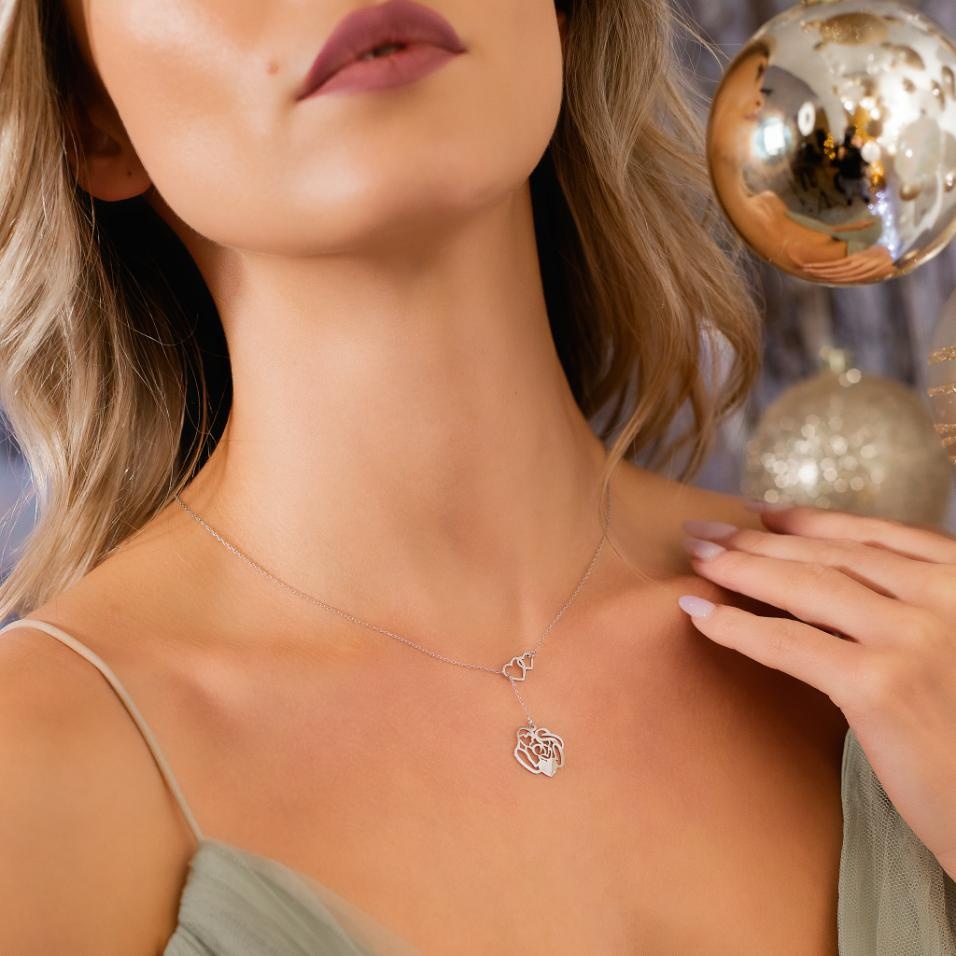
Photo source: sefinni.ro
Conversely, if the object does not change color or acquire a greenish tint, it is very likely that it is made of another metal, namely silver.
After completing the test, it is critical to immediately rinse the item or jewelry with clean water to completely remove the chlorine and prevent any possible damage. Chlorine can damage silver if left on the surface for too long, so be sure to remove it completely.
This method is useful, but should be used with caution. If the item is valuable, it is safer to contact an expert for a professional appraisal, as chlorine, even diluted, can cause long-term damage to genuine silver.
3. Checking silver with silver acid and precision balances
Checking silver using special acids for its test or a precision balance is a very effective and less invasive method than other authenticity tests. It combines a chemical test that identifies the purity of the silver and a check of the weight of the object, providing clear and precise results.
To check silver this way, start with your precision balance. Silver has a specific density and a specific weight corresponds to a certain volume. In the case of pure silver (approximately 99.9%) the density is 10.49 g/cm³. If you know the dimensions of the item, weighing it can give you an estimate of its purity – real silver will weigh accordingly. Otherwise, if the weight is very different from the specific gravity, it is possible that the object is made of lighter plated metal.
After checking your weight, you can proceed to acid test for silver. For this step, make sure you have a silver testing kit available in specialty stores that includes special acid and a test stone. The object is slightly scratched on the stone, leaving a visible trace of metal. Then apply a drop of acid to this trace. If the silver is genuine, the acid will produce a specific reaction, depending on its concentration. Typically, for pure silver, the acid should leave a white or gray stain on the stone. However, if the stain turns brown, greenish, or red, it may indicate the presence of a silver alloy with a lower precious metal content or even a different metal.
It is important to note that the acid test is very safe and accurate, but it must be performed carefully, in a well-ventilated area and wearing protective gloves. The acid is corrosive and can damage surfaces, so it is recommended to apply the drop in a trace on the test stone, not directly on the object, to avoid possible damage.
4. Silver verification test using standard markings
Regardless of whether we are talking silver jewelryhousehold items or other precious accessories, verifying the authenticity of silver through specific hallmarks is a simple and effective method, often used to identify and evaluate the purity of silver objects. Markings are inscriptions applied to the surface of silver by manufacturers or regulatory authorities and provide information on the composition of the metal, the place and date of production, as well as the purity.

Photo source: Shutterstock.com
Standard hallmarks for silver often include numbers indicating the percentage of pure silver, the most common being «925,» meaning 92.5% purity (sterling silver). This is the most common marking for the material used silver necklaces and decorative objects, since pure silver is too soft to be used practically without alloys. Other common markings are “800” and “999,” which indicate 80% and 99.9% purity, respectively.
Markings may also include specific symbols that vary from country to country. In many countries there are symbols or logos that identify silver, such as a lion’s head for British silver, while silver produced in other countries may have specific symbols. For example, in France, the Minerva head mark can indicate the authenticity and purity of silver.
Some markings may also contain letters, representing the initials of the workshop or manufacturer, as well as symbols indicating the city where the item was made. Also, some older items, such as silver pins OR silver wedding rings they may have rare and more complex markings and these may indicate additional value to collectors.
To verify the markings, examine the silver object carefully, preferably with a magnifying glass. Especially in the case silver bracelets, silver pendants or in that of silver earringsthe markings are usually very small and discreet, placed on less visible parts, such as on the inside or near the clasp. If you find a matching hallmark, such as «925» or «800», this is a good sign that the item is silver. However, it must be taken into account that markings can also be forged and for valuable items, e.g silver jewelry set OR silver watches it is advisable to also undergo a professional check-up.
5. Home Silver Check Solutions: Sterling Silver Vs. high quality silver
Checking silver items at home can be a simple and effective process, especially when you want to distinguish between sterling silver and high-quality silver. These types of silver differ in purity and composition, which can affect both the value and appearance of the items.
Sterling silver is made up of 92.5% pure silver and 7.5% other metals, usually copper. This is the standard norm for jewelery and silverware in many countries, being recognized for its durability and scratch resistance. Sterling silver is often marked with the number «925», which indicates the percentage of pure silver.
Pure silver, marked «999», contains 99.9% silver and is considered particularly valuable. This type of silver is softer and more prone to scratches, making it less practical for use in everyday jewelry such as silver rings, silver key chains OR personalized silver jewelry. High-quality silver items usually have a brighter appearance, but require more careful maintenance to prevent tarnishing and tarnishing.
In conclusion, silver testing is an essential process if you want to ensure the authenticity of your jewelry. There are many simple and economical methods that you can use right at home. Each of these silver analysis methods provides valuable information and can be quickly applied to identify whether your jewelry is made of pure silver or an alloy.
By using these techniques you not only protect your investment, but also improve your knowledge of precious materials. However, it is important to note that for high value jewelery or antique pieces a professional appraisal is always advisable.
latest posts published

Moonstone in jewelry

Engraving of men’s signet rings
Diamond clarity: inventory of natural inclusions

Creation of a Chrisme Medal in 18K Gold

18k gold men’s necklace (handcrafted)
Recycle 800 silver into pure silver

Large 18k solid gold bracelet

18k gold chain pendant

the history and symbols behind the Mo signet ring
