
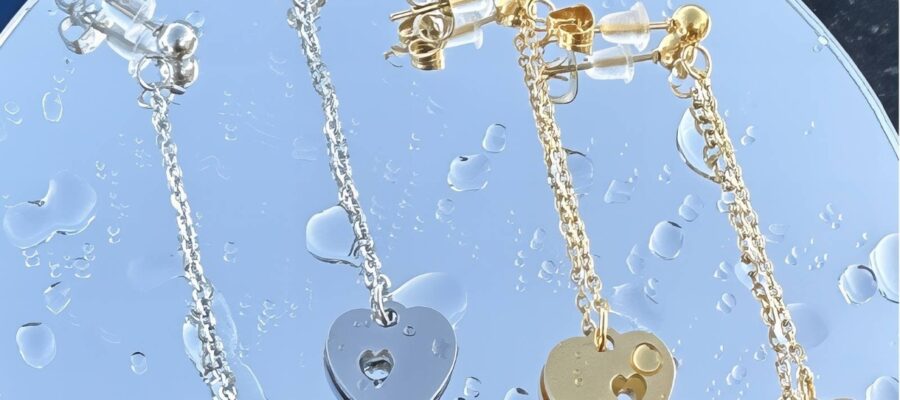
Gold-plated jewelry has become increasingly popular in recent years due to the perfect balance of elegance, durability and affordability. Whether it’s fine earrings, delicate chains or modern bracelets, the process of appease allows anyone to enjoy the sophistication of gold without the high costs of mass-produced jewelry.
In the article prepared by Sefinni we explain what gold plating means, how it is performed, what its advantages and limitations are, but also how plated jewelery must be cared for to maintain its impeccable appearance for years.
1. What is plating: the simple and correct definition
Plating is a technological process by which a thin layer of precious metal (in this case gold) is applied to another base metal, usually silver, copper, brass or stainless steel.
The purpose of the process is twofold:
- gives the jewel the luxurious look of gold;
- protects it from oxidation, corrosion and wear.
In other words, a jewel gold plated it is not entirely made of gold, but only has a thin layer of this noble metal on the surface. The layer thickness can vary from a few microns to 5–10 microns, depending on the technology used and the quality of the final product.
2. Types of existing coverings
Coating is not a one-size-fits-all process: there are several methods and the resulting quality varies depending on the thickness of the layer and the technique used.
2.1. Electroplating (galvanic)
It is the most common method and involves the use of an electric current to deposit the layer of gold on top of the base gem. The base metal is introduced into a special solution and gold ions are «attracted» to its surface by a chemical-electrical reaction.
The result? A uniform and smooth surface with an intense and long-lasting shine.
2.2. Dip plating
The process occurs without electric current: the part is immersed in a solution with gold ions, which mechanically adhere to the surface. It is a cheaper method, but the resulting layer of gold is much thinner and can wear out more quickly.
2.3. 18K or 24K gold plating
The gold used for plating can be of various purities. 18k gold (75% pure gold) is most commonly used for a warm, balanced hue, but some high-quality jewelry may be plated with 24k gold, which provides a deep, almost sunny yellow color.
3. What metals are used as a base for plating
While it is the gold that provides the final shine, the base metal plays an essential role in the durability of the jewelry.
The most used base metals are:
- 925 silver – for high quality jewellery;
- Copper – offers resistance and good electrical conductivity;
- Sign – it has a color similar to that of gold, being ideal for jewelery with warm tones;
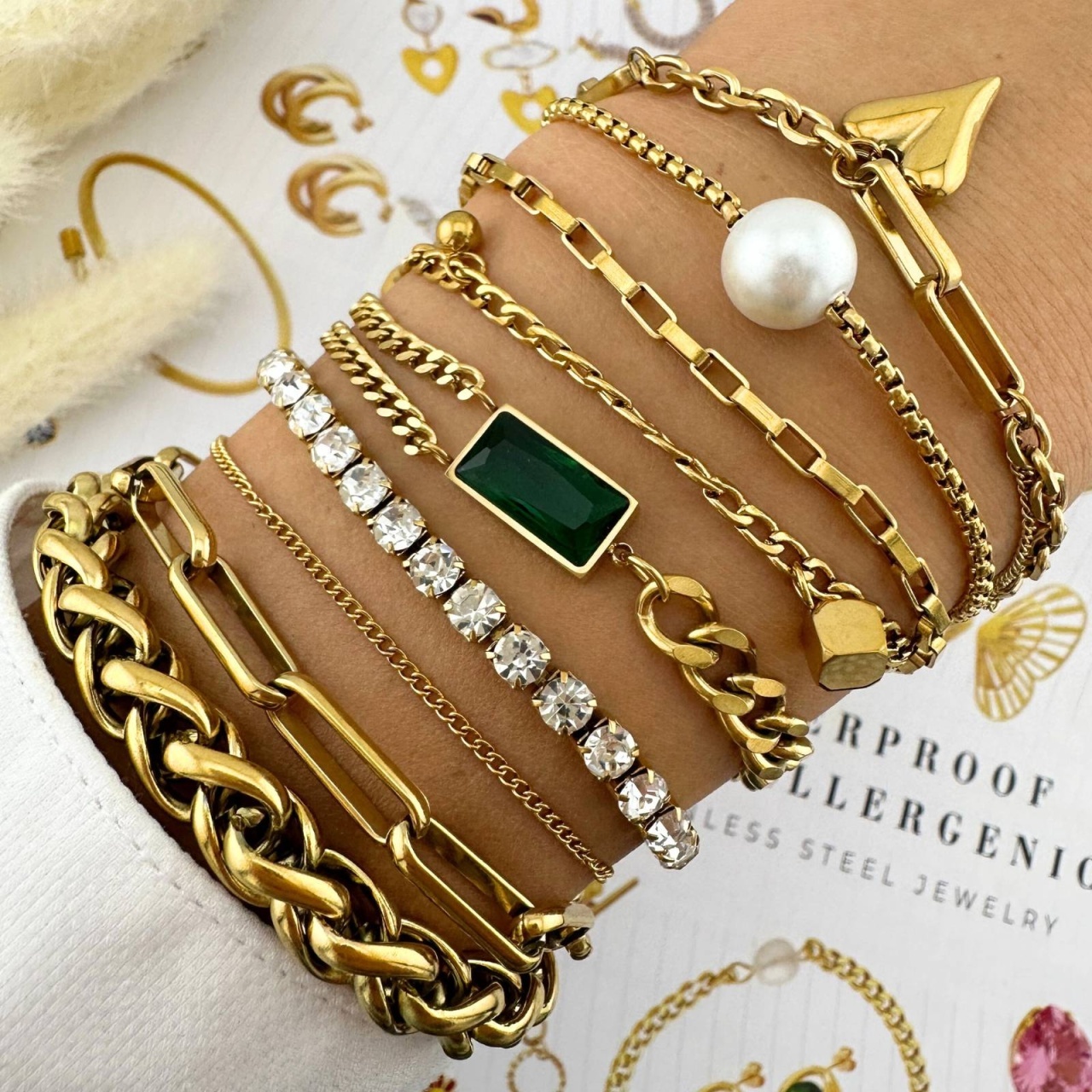
- Stainless steel – very resistant, ideal for men’s bracelets and accessories.
4. The difference between plating, gilding and gold filled
Many customers confuse the terms, but there are clear differences between them:
| Tip | Description | Durability | Price |
|---|---|---|---|
| Appease | A thin layer of gold applied to another metal | Average | Accessible |
| Aurire (vermilion) | Thick plating on 925 silver, minimum 2.5 microns of 18k gold | high | environment |
| Full of gold | The gold layer is much thicker (10-20% by weight) | Very large | More expensive |
So, jewelry appease it represents the most convenient option, offering the look of authentic gold without large investments, but requires more careful care.
5. The advantages of plated jewelry
Although not 100% gold, plated jewelry has multiple advantages:
- Affordable price – offers luxury at a much lower cost.
- Variety of colors – yellow, white, pink or even black gold.
- Elegant and refined appearancesimilar to gold jewelry.
- Reduced weight – Comfortable for everyday wear.
- Possibility of artistic design – metals, stones and textures can be combined.
- Sustainability – less precious metal is used, reducing the impact on the environment.
6. Disadvantages and what to know before purchasing
For transparency it is also important to know the limits of the plating process:
- The gold layer may fade over timeespecially on areas of frequent contact (rings, bracelets).
- Jewelry should not be worn in the shower, pool or gymas water and sweat can damage the plating.
- Chemicals and fragrances can attack the outer layer.
However, a quality plated piece of jewelry, properly maintained, can look flawless for years and years.
7. How to care for plated jewelry – complete guide
Maintenance is key to maintaining the beauty and shine of your plated jewelry.
1. Gentle cleaning
- Use a soft cotton or microfiber cloth.
- Avoid hard sponges and abrasive substances.
- You can use a mild solution of warm water and mild detergent, rinse quickly and dry immediately.
Sefinni’s advice: Never let plated jewelry dry naturally: traces of water can damage the gold plating.
2. Correct storage
- Store individually plated jewelry in soft bags or fabric-lined boxes.
- Avoid direct contact between the parts: constant friction can wear away the gold coating.
3. Rules of conduct
- Remove plated jewelry before bathing, exercising or sleeping.
- Do not apply perfume, cream or hairspray to your jewelry.
- Avoid contact with salt water or pool chlorine.
These small habits extend the life of your jewelry plating by up to 5 times!
8. How long does plating last and how do you know when it’s time to refinish
The durability of a plated jewel depends on several factors: the thickness of the gold layer, the frequency of wear and its maintenance. Generally:
- Thin plating (0.5–1 micron): Lasts 6–12 months.
- Medium plating (2–3 microns): up to 2–3 years.
- Thick plating (5 microns): over 5 years, with due care.
If you notice that the jewel has lost its shine or the metal underneath becomes visible, you can contact professional replating – a simple operation, which restores the original appearance of the jewel.
9. Rose Gold Plating: A Sophisticated Trend
In recent years, rose gold plating has become one of the most popular trends. Its warm and romantic color is suitable for all skin tones and pairs easily with silver or yellow gold jewelry.
This plating is achieved by adding a small amount of copper to the alloy, giving it the delicate peachy pink hue characteristic of modern jewellery.
10. How to recognize a quality plated gem
There are some clear signs that differentiate a high-quality plated jewel:
- Manufacturer’s mark – indicates the purity of the gold used and the plating method.
- Uniform surface – no stains, scratches or color variations.
- Natural shinenot excessively metallic.
- Certificate of conformity or seller’s warranty.
At Sefinni, each plated jewelery is crafted with attention to detail, using modern electroplating technologies and additional protective layers for durability.
11. Coverings in a sustainable context – responsible elegance
The covering is also a conscious choice. By using a thin layer of gold, the consumption of natural resources is reduced, while preserving the refined aesthetics of precious metal jewelry.
More and more brands, including Sefinni, are adopting modern technologies and non-toxic solutions in the plating process to offer customers safe, beautiful and environmentally friendly jewelry.
Frequently asked questions about cladding
Is plated jewelry hypoallergenic?
It depends on the base metal. Those plated with silver or stainless steel are generally safe for sensitive skin.
Can the plating be redone?
Yes, jewelry can be renewed by professionally applying a new layer of gold.
Does the plating disappear completely over time?
If it is not properly cared for, yes. But proper maintenance can significantly extend its life.
How do I know if a piece of jewelry is plated or solid gold?
Check the weight, margin and price. Solid gold jewelry is heavier and has the number of carats engraved on it (e.g. 585 for 14K).
Why choose plated jewelry?
Gold-plated jewelery is the perfect expression of accessible elegance. It offers glitz, sophistication and variety without breaking the bank.
If carefully chosen and properly maintained, plated jewelry can become long-lasting accessories, maintaining charm and aesthetic value.
THE Finnisheach piece is designed to bring joy, confidence and a touch of luxury to every day, whether plated in yellow, white or rose gold.
Choose smartly. Wear it in style. Take care of yourself with love.
latest posts published

Moonstone in jewelry

Engraving of men’s signet rings
Diamond clarity: inventory of natural inclusions

Creation of a Chrisme Medal in 18K Gold

18k gold men’s necklace (handcrafted)

Large 18k solid gold bracelet

18k gold chain pendant

the history and symbols behind the Mo signet ring

Rolex: a brand that has become essential
