
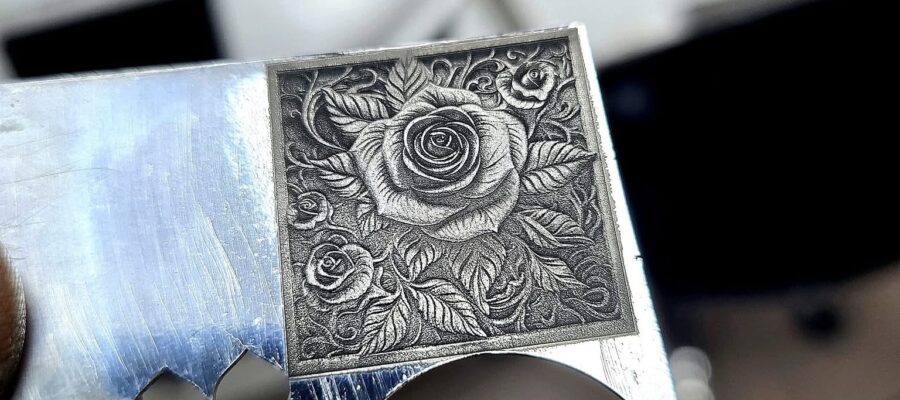
Silver is a precious metal loved for its refinement, versatility and understated elegance. From modern, minimalist jewelry to vintage or handmade pieces, silver is indispensable in Sefinni collections and in the jewelry boxes of many beauty lovers.
However, one of the most common phenomena in the life of a silver jewelry is oxidation. That’s why we want to share the following with you:
-
What does silver oxidation mean?
-
How do you recognize oxidation in jewelry?
-
Why does silver oxidize?
-
The difference between oxidation and dirt
-
How is oxidation prevented?
-
What NOT to do
-
Myths about oxidation
-
When to call a specialist
-
Sefinni’s advice
1. What is silver oxidation?
Oxidation is a natural chemical reaction that occurs when silver comes into contact with oxygen, moisture, sulfur or other chemical compounds from the environment. This reaction creates a thin layer of silver sulfate on the gemstone’s surface, leading to a color change.
This process does not mean the gem is broken or of poor quality – oxidation does not affect the structure of the metal and is 100% reversible.
2. How can you recognize oxidation in silver jewelry?
The visible signs are:
-
Colored closure – from dark gray to matte black
-
«dirty» appearance.as if the jewel had been forgotten in a dusty treasure chest
-
Lack of shine – the gem appears dull, lifeless
-
Localized areas: around stones, in cracks, inside chains or in incisions
Oxidation occurs especially for frequently worn jewelrybut it can also occur in stored ones, if left in contact with humid air, acidic skin or synthetic fabrics.
3. Why does silver oxidize?
Pure silver (Ag) is very soft, so jewelry is made from it 925 silver – an alloy with 92.5% silver and the rest other metals (usually copper). It is this alloy with which it chemically reacts sulfur compounds and with oxygen.
Factors favoring oxidation:
-
pH of the skin – acidic skin accelerates chemical reactions
-
Perfumes, creams, lotions – may contain aggressive compounds
-
pollution – Urban air contains sulfur particles
-
Incorrect storage – exposure to air, synthetic fabrics, plastic
-
Chlorine or salt water – oxidation is rapid
-
Contact with eggs, onions, garlic – rich in sulphur
-
Excessive sweating
4. Oxidation and dirt: how is it distinguished?
It is important not to confuse oxidation with simple dirt.
5. How do you prevent silver from tarnishing?
While you can’t stop the process completely, you can slow down considerably:
✔️ Wear with care
-
Apply perfume, cream or makeup Before to wear your jewelry
-
Avoid wearing silver jewelry shower, swimming pool, sea, corridor
-
Clean them gently with a soft cloth after each use
✔️ Store correctly
-
In anti-oxidation bags or cotton bags
-
Avoid cheap plastic jewelry cases – they trap moisture
-
You can add a small piece of plaster or a bag of silicate gel to absorb moisture
✔️Use special cloths
There are cloths soaked in antioxidant solutions: clean your jewelry once a month even if you don’t wear it.
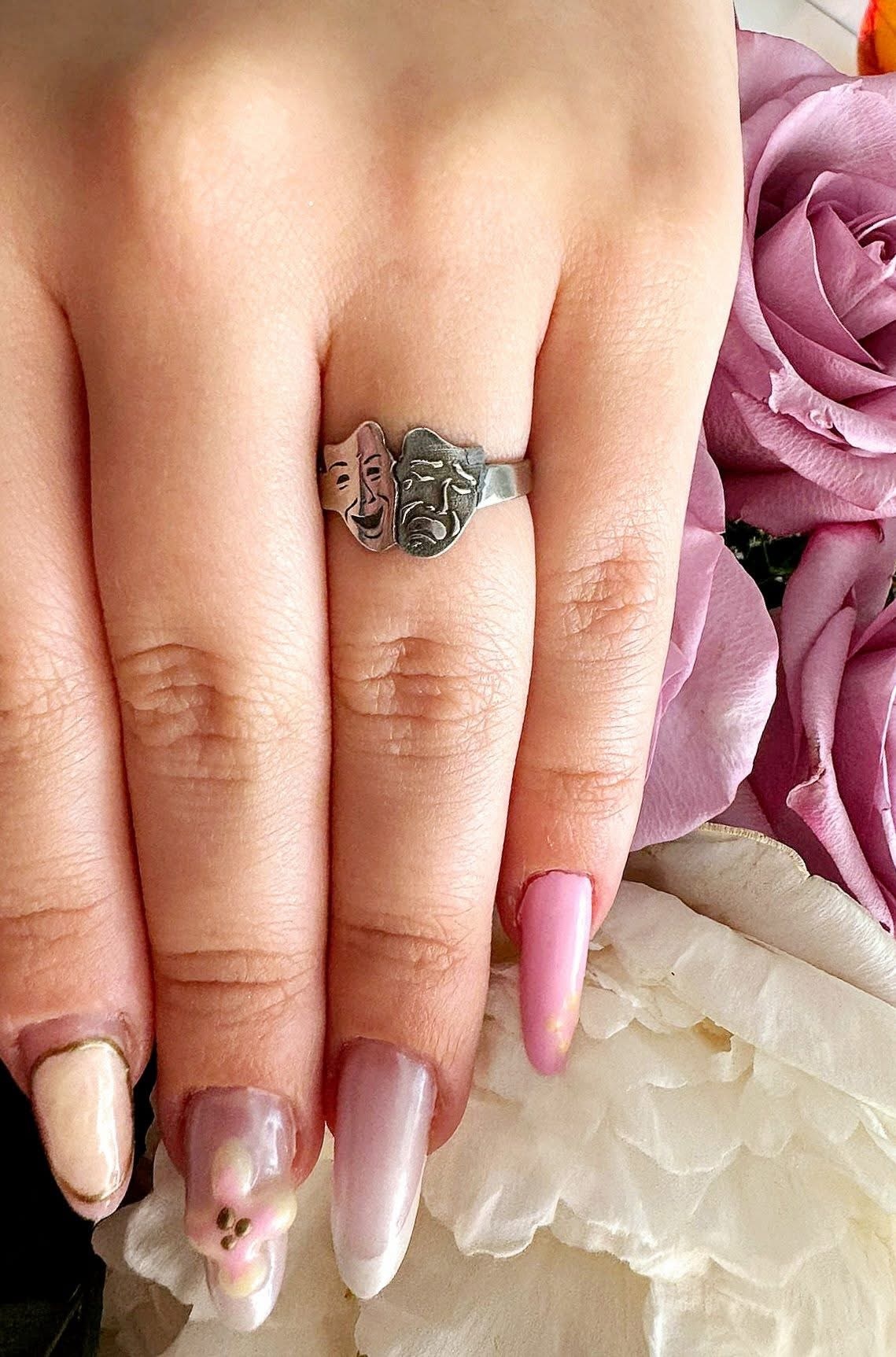
6. How do you clean oxidized jewelry at home?
Method 1: Baking soda and water
-
Make a paste with baking soda and water
-
Apply to jewelry with a soft brush
-
Rub gently, rinse with warm water
-
Clean with a soft cloth
Method 2: Aluminum foil + salt + hot water
-
Place the aluminum foil in a bowl
-
Add a teaspoon of salt + hot water
-
Leave the jewel for 5 minutes: you will notice how it will return to its shine
-
Rinse and dry
Method 3: White vinegar + baking soda
-
Place the gem in a small bowl
-
Add 1 tablespoon baking soda and 2 tablespoons white vinegar
-
Leave to act for 2-3 minutes: foaming is normal
-
Rinse, dry
Careful:
-
Do not use the above methods if the gem has pearls, opal, turquoise, coral, glued crystals
-
In this case it is sufficient to clean with a soft cloth
7. What NOT to do
❌ Do not scrub jewelry with metal sponges or hard brushes
❌Do not use toothpaste: it contains abrasive microgranules
❌ Do not leave jewelry in vinegar for more than 5 minutes
❌ Do not dry your jewelry on the radiator or in the sun
❌ Do not use household cleaning products: they seriously damage the metal
8. Myths about jewelry tarnishing
❌ «Oxidized silver is not authentic»
False. Only real silver jewelry tarnishes. Those made of «stainless steel» or silver do not undergo the same process.
❌»Oxidized jewelery must be replaced»
False. Cleaning restores their original shine – and some controlled oxidation is also aesthetic (e.g. vintage style).
❌ «Oxidation is due to poor quality»
False. Even the highest quality 925 silver can tarnish – it is a natural process.

9. When should you call a jeweler?
-
If the gem has sensitive stones or delicate media
-
If the oxidation has penetrated deep into the texture of the engraving
-
If you wish professional polishing or ultrasonic treatment
The jeweler can clean the gem using special and safe procedures overpaintable with an antioxidant protective layer (rhodium or paint).
10. What does Sefinni recommend?
Silver jewelery is a living creation. They breathe, they transform, they keep track of the moments in which you wore them. Oxidation is not a defect, but a natural and reversible process.
THE Finnishwe use high quality 925 silversometimes plated with rhodium or gold, for better protection. However, any jewelry should be handled with care.
Our recommendations:
-
Clean your jewelry after each use
-
Store them properly
-
Avoid contact with aggressive substances
-
Clean them periodically, but gently
-
Call a specialist when necessary
✨ Go to www.sefinni.ro and discover our silver jewelry collections – from simple ones to pieces with symbols, stones and delicate details.
Each piece has a story. You take care of it and we offer you authentic beauty.
latest posts published

Moonstone in jewelry

Engraving of men’s signet rings
Diamond clarity: inventory of natural inclusions

Creation of a Chrisme Medal in 18K Gold

18k gold men’s necklace (handcrafted)
Recycle 800 silver into pure silver

Large 18k solid gold bracelet

18k gold chain pendant

the history and symbols behind the Mo signet ring
