
We’ve known each other for a while, so you already know pretty well that our favorite precious metal is silver. Silver is a more malleable but harder metal than gold, making it much easier and more pleasant to work with, and people’s fascination with its luster and color for thousands of years has placed it among the precious metals. And we know that many times it is also your favorite, especially when we manage to delight you with a new jewel!
Discover, in a dedicated article, everything about silver used in jewellery, from the specific markings to the different types available, every detail highlights the uniqueness of this precious metal.
For the Middle East, Crete and ancient Greece, silver production was ensured by the mines of Anatolia (Turkey), where the first traces of silver ore extraction were found, dating back to around 3000 BC. Around 1200 BC the center of silver production became Laurium (in Greece), which fueled the main Mediterranean civilizations of the time. Around 100 AD, Spain became the Roman Empire’s main supplier. The subsequent conquest of Spain by the Moors caused major changes in the supply of silver in Europe, with numerous smaller mines opening across the continent (especially in Germany and Eastern Europe) between 750 and 1200 AD
International Silver Company – Connecticut, United States, 1878
The main event that revolutionized silver working in the world was the discovery of America in 1492. Global production exploded between 1500 and 1800, with Bolivia, Peru and Mexico accounting for 85%.
The discovery of new mines (United States, Australia, Chile, Japan, etc.) and the use of new technologies have meant that the silver processing industry continues to develop to this day. Today, approximately 70% of global silver production is used in coinage, while jewelry production is in second place and, to a lesser extent, in various sectors.
Silver has been used for thousands of years by various civilizations for ornaments, jewelry, tools, medicine, trade and monetary system. However, it has always been in second place behind gold, which is rarer. In early history, gold was associated with the sun, and silver became its counterpart, the moon. Therefore, it is most often symbolized by a crescent moon.
The silver-moon relationship makes this metal the feminine symbol of delicacy, purity, transparency, soul, fertility… Therefore, silver has been the symbol of many deities related to the moon and can be found in various cultures.
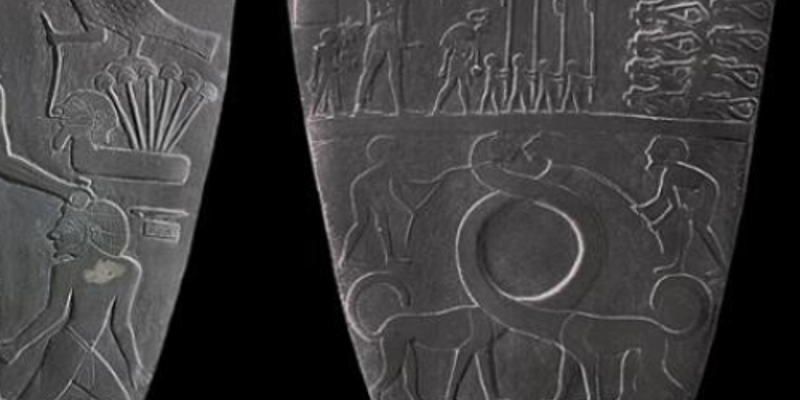
Volcanic material has been discovered in Asia Minor and the Aegean Islands, showing that as early as 3000 BC silver was already separated from lead by humans. For the Egyptians, silver was equally important after gold, which was the symbol of the sun and the most valuable trade commodity. In their mythology, the gods had silver bones and their flesh was golden. Silver was above all the symbol of the moon goddess, Isis.
Since ancient Greece, silver has been used to fight infections.
The “father of medicine,” Hippocrates, mentions its use for healing wounds and controlling infectious diseases and ulcers. In Greek mythology, silver is as present as gold and is particularly associated with Artemis, the goddess of the hunt. Very closely associated with the moon, which is one of her attributes, she used a bow and arrowheads or spears, all of silver. According to Herodotus, the king of the Persians carried boiled water with him in silver flasks, to avoid contamination with bacteria and therefore diseases.
In Celtic culture, King Nuada lost his throne when he lost his right arm in battle. Disabilities being discriminatory for that position, the god of medicine Diancecht allowed him to return to power by making him a silver arm.
We cannot ignore the presence of silver in religious writings and traditions: the New Testament says that Judas received the 30 pieces of silver to deliver Jesus to the Roman soldiers, and Islam forbids men from wearing silver, except for the silver rings worn on the little fingers of both hands. Muhammad himself wore a signet ring that served as a seal.
The popularity of silver is undeniable, having all these uses over the millennia. We are happy that it exists and that it offers us the opportunity to practice one of the most beautiful professions, that of the jeweler. So we invite you to our online store, to enjoy the wonders it brings to our lives, every day!
latest posts published

Moonstone in jewelry

Engraving of men’s signet rings
Diamond clarity: inventory of natural inclusions

Creation of a Chrisme Medal in 18K Gold

18k gold men’s necklace (handcrafted)

Large 18k solid gold bracelet

18k gold chain pendant

the history and symbols behind the Mo signet ring

Rolex: a brand that has become essential
