
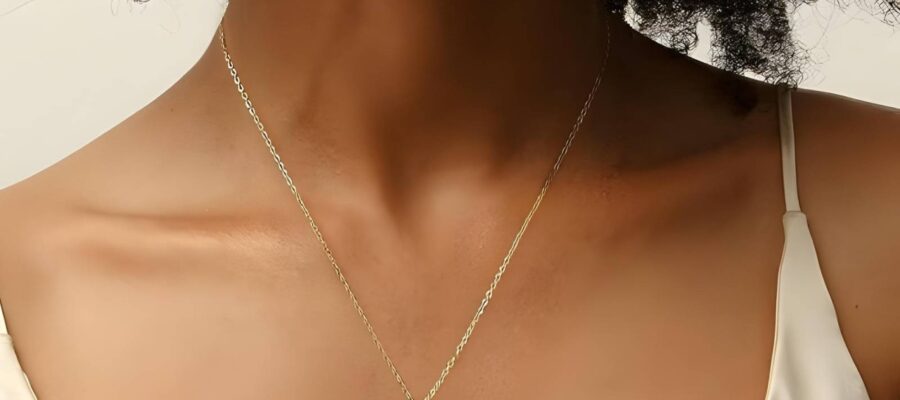
Jewelry is not just decorative accessories. Throughout history they have been silent messengers of identity, spirituality and cultural belonging. Whether we are talking about necklaces with sacred symbols, protective bracelets or engagement rings, jewelery has always had a much deeper meaning than the aesthetic one.
THE Finnishwe often draw inspiration from this cultural and symbolic heritage. Each piece is made with attention to detail, but also respecting the meanings that the jewels have had over time. In this article we invite you on a fascinating journey through the world of jewels and their symbols in different corners of the world.
Symbolism of jewels in antiquity
Ancient Egypt
For the Egyptians, jewelry was an extension of religious beliefs and a means of protection. Symbols like ankh-ul(cross of life), the eye of Horus OR scarab they were present in amulets, necklaces and bracelets, they were worn for health, luck and eternal life.
Gold was considered the «flesh of the gods» and was reserved for pharaohs and gods. Egyptian women wore elaborate jewelry not only for beauty, but to assert their social and spiritual status.
Ancient Greece and Rome
In Greece, jewelry reflected mythology and aesthetic ideals. Necklaces with floral motifs or amulets with mythological figures had a protective role or represented a connection with divinity.
The Romans, however, also used jewels as an expression of wealth and rank. Rings were worn according to social standing, and many pieces of jewelry included gemstones with supposed magical properties.
Sacred jewels in Asian cultures
India
In India, jewelery is filled with deep symbolism. They are part of daily life, religious ceremonies and especially marriage rituals. Each gem has a symbolic function:
-
Bindi-ul AND flagship jewels symbolizes the third eye and spiritual clarity.
-
Nath-ul (the nose ring) is the sign of the married woman.
-
Mangalsutra – a necklace of gold and black pearls – is the equivalent of a wedding ring, worn by women after marriage for the protection of the marriage.
Gold is considered pure and sacred, and jewelry is often passed down from generation to generation as precious heirlooms.
China
In Chinese culture, symbolism is extremely important. Jade jewelry (the sacred stone of China) is considered protective, bringing harmony and longevity. Many tracks also include:
-
Dragon symbol – strength and luck.
-
Phoenixul – rebirth and femininity.
-
Ancient coins – prosperity.
Gold jewelry is often worn at weddings and important celebrations, symbolizing wealth and luck.
Jewelry as a symbol of belonging and spiritual connections
Africa
In many African cultures, jewelry is worn to signal social status, age, marital status and tribal identity. Large metal necklaces, bracelets and earrings often have ritual functions, being used during initiations, weddings or religious ceremonies.
Stones, shells and seeds are often combined with metals to create unique pieces that tell stories of community and spirituality.
Latin America and native tribes
The indigenous peoples of Central and South America used jewelry not only as ornamentation, but as a symbolic language. Symbols such as the sun, the moon or the snake were engraved in necklaces and earrings in silver, copper or gold, having a role of connection with nature and the cosmos.
In North American tribes, feathers, turquoise stones, and colored beads carried spiritual charges, being carried by shamans or spiritual leaders.
The symbolism of jewels in Europe and Western culture
In medieval and Renaissance Europe, jewelry reflected political power and religious influence. Crosses, sacred relics, and consecrated gemstones were worn by nobles and clerics as signs of connection with divinity.
In the Victorian era, jewels also took on a strong emotional side. Mourning jewelry, containing hair or the image of the deceased loved one, was popular.
In modern Western culture, jewelry is often associated with key events: engagement rings, wedding rings, birthday necklaces or Mother’s Day.
Universal symbols in jewelry
the infinite
The symbol of infinity, so present in the collections Finnishexpresses eternal love, deep friendship and continuity. It is a modern symbol but with ancient resonances, adopted in many cultures as an emblem of balance and eternity.
The heart
The heart is the most famous symbol of love. Heart-shaped jewelry is worn as a sign of affection and commitment. They can be given as a gift as a couple, but also between mother and child or between close friends.
The cross
A universal religious symbol, the cross is worn both as an expression of faith and as a protective amulet. In many cultures, the cross is given as a gift at baptisms, communions or other important spiritual occasions.
The protective eye
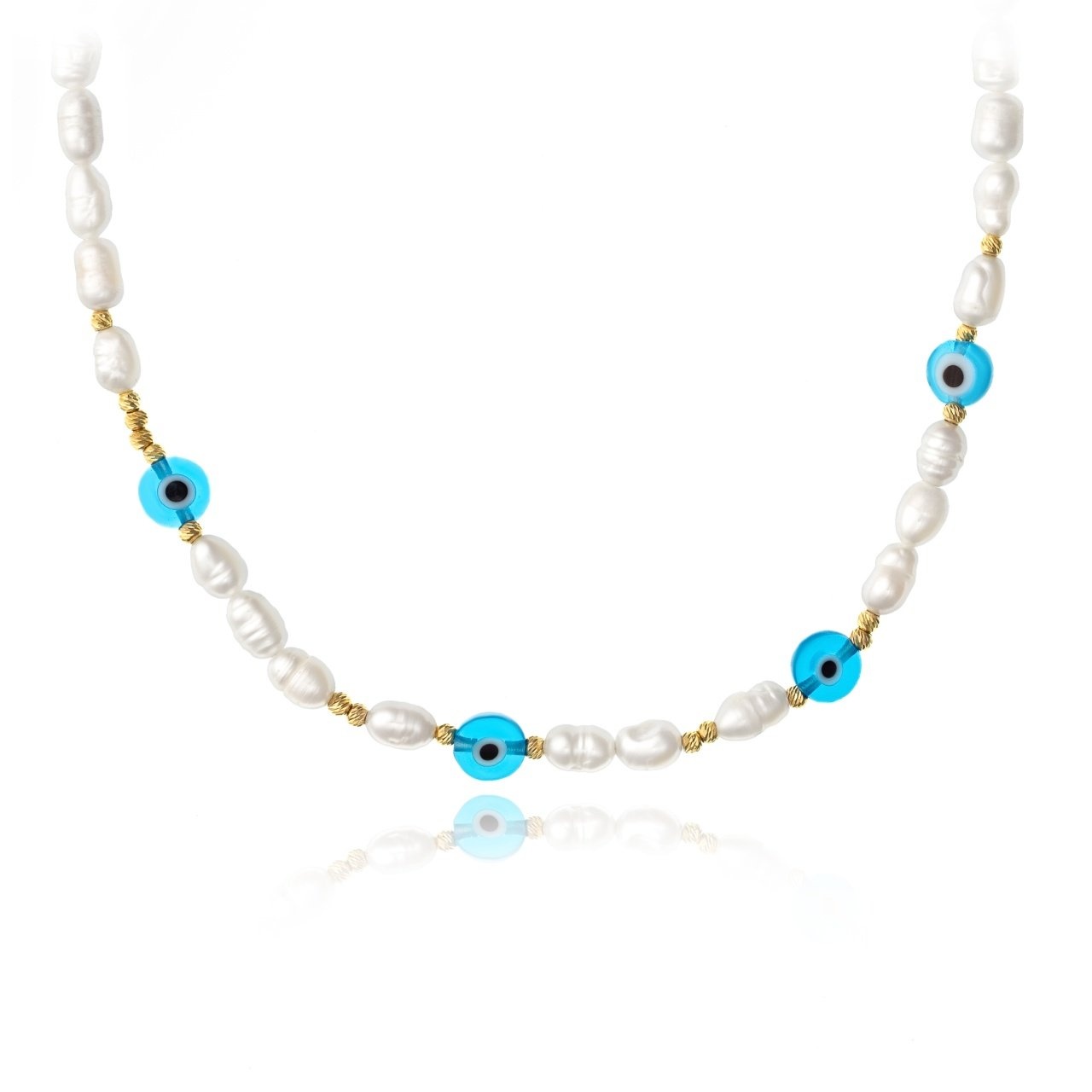
Also known as the «Turkish eye» or «nazar», this symbol is used for protection from negative energies. It is present in bracelets, necklaces and even earrings, worn by all ages.
Personalized jewelry: your unique symbol
Today, symbolism has become more personal than ever. TO Finnishmany of our jewels are customize: engravings, initials, discreet symbols that tell the story of the wearer.
Bracelets with gold cord and pendantsthe necklaces with INITIALthe jewels with hidden messages – these are all examples of how you can wear not just an accessory, but a fragment of your story.
How to choose the right symbolic jewels?
If you want to choose a jewel that represents you or that becomes a significant gift, here are some criteria to consider:
-
intention: Do you want protection? Love? Courage? Find the symbol that reflects the desired emotion.
-
MATERIAL: Gold for elegance and durability, silver for refinement and simplicity, stones for energy.
-
Customization: Add initials, an important date or a subtle symbol for a unique note.
-
Personal style: Choose a piece of jewelry that integrates with what you wear every day so that it becomes part of you.
Jewels are more than beautiful objects: they are a mirror of culture, identity and emotions. Every symbol has a meaning, every piece tells a story. TO FinnishWe honor this symbolism in our collections, offering jewelry that not only delights the eye, but also touches the soul.
Explore our collection of symbolic jewelery on www.sefinni.ro and discover the piece that truly represents you. ✨
latest posts published

Moonstone in jewelry

Engraving of men’s signet rings
Diamond clarity: inventory of natural inclusions

Creation of a Chrisme Medal in 18K Gold

18k gold men’s necklace (handcrafted)

Large 18k solid gold bracelet

18k gold chain pendant

the history and symbols behind the Mo signet ring

Rolex: a brand that has become essential
