
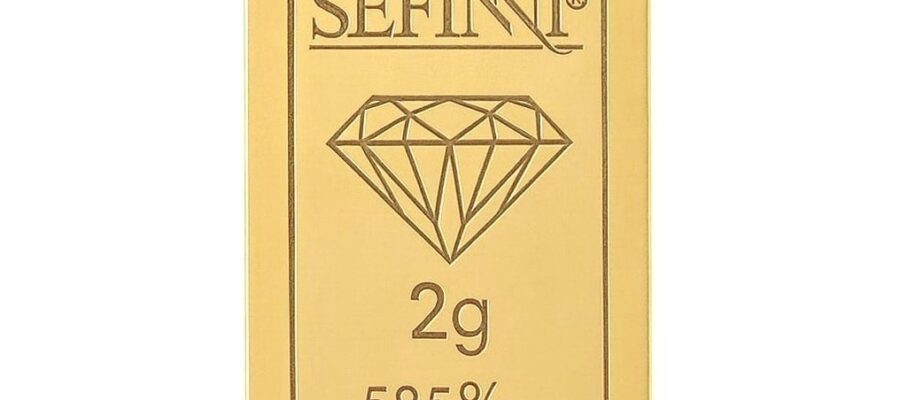
When you find yourself in front of a shop window full of gold and silver jewellery, it is easy to get carried away by the beauty of a design or the shine of the precious metal. But, beyond the visual appearance, there is a discreet and extremely important detail that confirms the authenticity and value of the piece: bookmarks.
Markings are small incisions applied to the surface of jewelry, usually in less visible areas, such as the inside of a ring, the shank of an earring, or the clasp of a necklace. They practically represent the «identity card» of the jewel.
But what do these numbers and symbols mean? How can I help you make an informed choice? And above all, what should you check when buying gold or silver jewellery?
In the extensive article I have prepared you will find detailed answers to all these questions.
1. Why are bookmarks important?
The markings are not a mere technical detail, but a guarantor of authenticity and value.
1.1. Their essential role
-
Protect the buyer – shows exactly the percentage of precious metal contained in the gem.
-
It guarantees transparency – regardless of the country of origin, there is a universal recognition system.
-
Prevents fraud – Unmarked jewelry can hide cheap alloys or even fakes.
-
Adds value to the investment – a jewel with a clear and certified brand sells more easily, being recognized as authentic.
1.2. Where are the markers?
Usually in discrete areas:
-
On the stem of the earrings or on the back of the same.
-
On the back of pendants or lockets.
2. A brief history of bookmarks
Markings on jewelry are not a modern invention. Since then the first forms of metal stamping appeared Middle Ageswhen kings or artisan guilds applied symbols to certify the purity of the metal and control its trade.
In Europe, systems were formalized in the 14th century. For example, in Great Britaineach major city had a specific symbol (e.g. an anchor for Birmingham, a panther for London).
Today the systems are much more standardized and supervised by national and international bodies, but the basic idea remains the same: the safety of the buyer.
3. Marks for gold
Pure gold (24K) is too soft to be used alone in jewelry. Therefore it is mixed with other metals (copper, silver, palladium) to give it hardness and resistance.
3.1. Carat system (K)
-
24K – 99.9% pure gold (very soft, rarely used in jewelry, especially in Asia).
-
22K (916) – 91.6% pure gold, used in India and the Middle East.
-
18K (750) – 75% pure gold, popular in Europe and luxury brands.
-
14K (585) – 58.5% pure gold, very widespread in Romania and the rest of Europe.
-
9K (375) – 37.5% pure gold, cheaper and stronger, but less valuable.
3.2. System in thousands (‰)
In Europe it is preferred to indicate purity in thousandths, that is, parts per 1000.
-
999 = almost pure gold.
-
750 = 18k gold.
-
585 = 14K gold.
-
375 = 9K gold.
3.3. Examples of gold markings
-
“585” inside a wedding band = 14K gold.
-
“750” on a necklace = 18K gold.
-
“916” on a bracelet = 22K gold.
4. Markings for silver
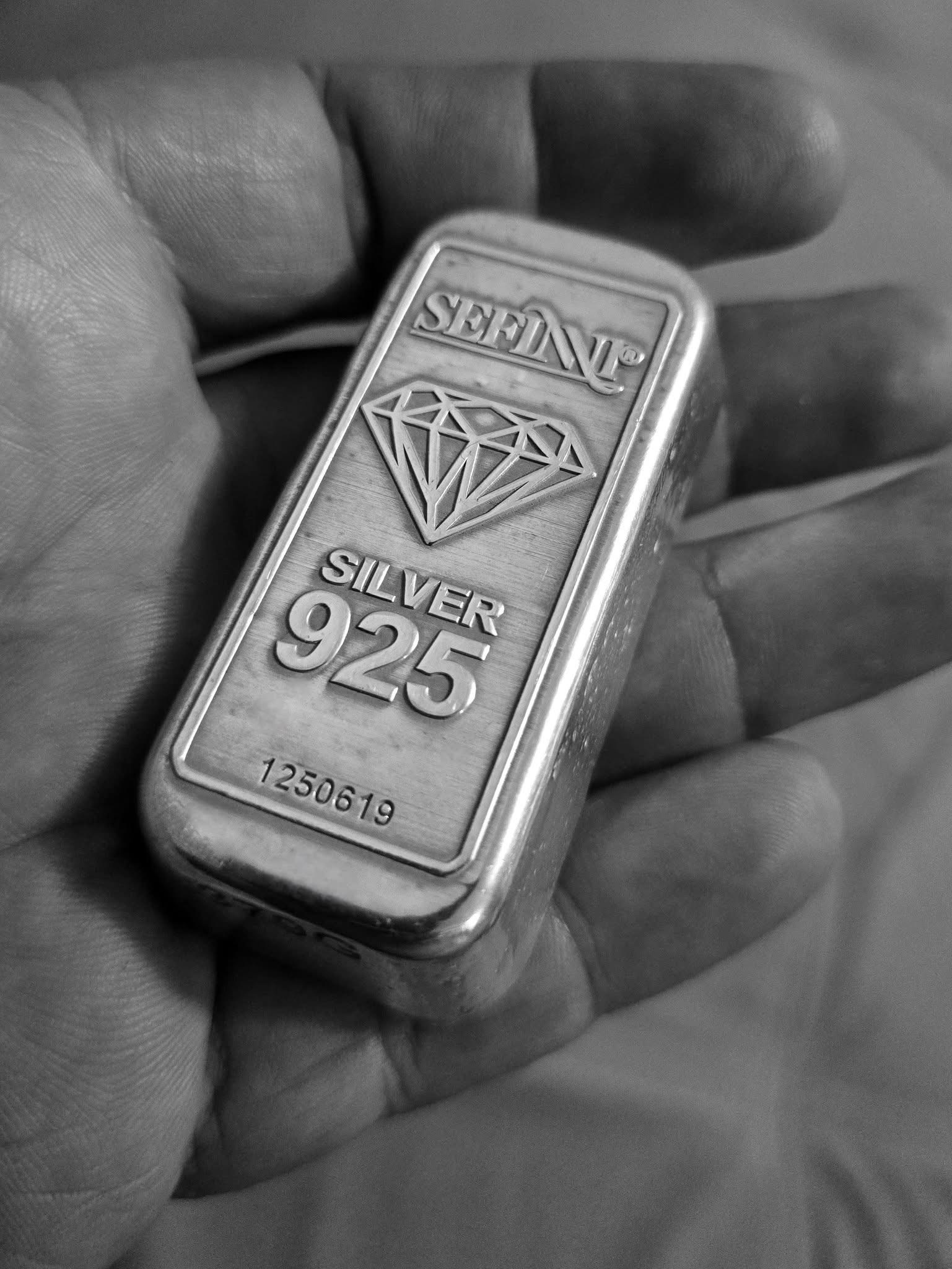
And silver has degrees of purity. The pure one (999‰) is too soft, so it is the most used 925 silverknown as «Sterling Silver».
4.1. Common signs
-
925 = 92.5% pure silver, the rest alloys (mainly used for jewellery).
-
800 = 80% silver, used mostly for decorative objects.
-
999 = almost pure silver, present in coins and ingots.
4.2. Example
-
A pendant with «925» is made of sterling silver.
-
An old «800» teaspoon contains good quality silver, but not at the level of fine jewelry.
5. International Brands
Every country has its own traditions.
-
Great Britain – unique symbols for cities (ex: lion for sterling silver).
-
France – eagle head for 18k gold, boar head for 925 silver.
-
Italy – numerical markings (585, 750) plus manufacturer code.
-
YOUR – the carat system (14K, 18K).
6. Who applies the marking?
In Romania the responsibility returns ANPC – Precious Metals Directorate. Each jewel is tested and marked before being placed on the market.
There are two categories of bookmarks:
-
Title sign – indicates purity (e.g. 585, 925).
-
Responsibility mark – applied by the manufacturer/importer, identifies the source.
7. How is the authenticity of the markings verified?
7.1. Methods available to anyone
7.2. Professional methods
-
Acid test – a drop is applied to check the reaction of the metal.
-
Electronic test device – determines the composition of the metal.
-
Check with the ANPC – the safest method.
8. Common mistakes and myths
-
«If it’s hard, it must be gold» – false, there are heavy alloys that imitate gold.
-
“White gold is another metal” – it is actually yellow gold bonded to white metals.
-
“If it’s not marked, it’s not authentic” – sometimes very old or handmade jewelry may not be stamped, but should be checked.
-
“A yellower gold is purer” – the shade depends on the alloys, not just the purity.
9. Importance of markups in investments
Gold and silver jewelry are not only accessories but also forms of investment. Correct signs:
-
It ensures that gold or silver retains its real value.
-
I make resale possible at the right price.
-
Eliminates the risk of paying for an inferior metal.
10. Advice from Sefinni specialists
-
Always check the marking before purchasing a jewel.
-
Request the certificate of conformity – official quality test.
-
Buy only from authorized stores – jewelery without guarantee can be risky.
-
Ask about maintenance – Gold and silver with higher purity are more sensitive.
-
Keep your documents – Important for resale or repair.
The markings on gold and silver jewelry are more than just discreetly engraved numbers. They represent guarantee of authenticity, quality and value.
THE Finnisheach gem is hallmarked and certified to international standards, so you can enjoy its beauty with complete safety and peace of mind.
When buying a piece of jewelry, don’t forget: the design attracts attention, but the brand confirms its value.
latest posts published

Moonstone in jewelry

Engraving of men’s signet rings
Diamond clarity: inventory of natural inclusions

Creation of a Chrisme Medal in 18K Gold

18k gold men’s necklace (handcrafted)
Recycle 800 silver into pure silver

Large 18k solid gold bracelet

18k gold chain pendant

the history and symbols behind the Mo signet ring
